Introduction
Businesses today need faster communication, better collaboration, and smarter workflows to remain competitive. A modern digital workplace helps organizations create a connected environment where employees can work efficiently from anywhere while staying aligned with business goals.
With tools like Microsoft 365, businesses can streamline communication, improve collaboration, and support hybrid work environments. Whether employees are working remotely, in the office, or on the move, a digital workplace ensures they have secure access to files, applications, and business data at all times. Solutions such as Microsoft 365, office 365, Microsoft Office 365, and micro office 365 are helping organizations improve operational efficiency while enhancing employee engagement and productivity.
What Is a Digital Workplace?
A digital workplace is a technology-driven work environment that allows employees to collaborate, communicate, and access business resources digitally from any location.
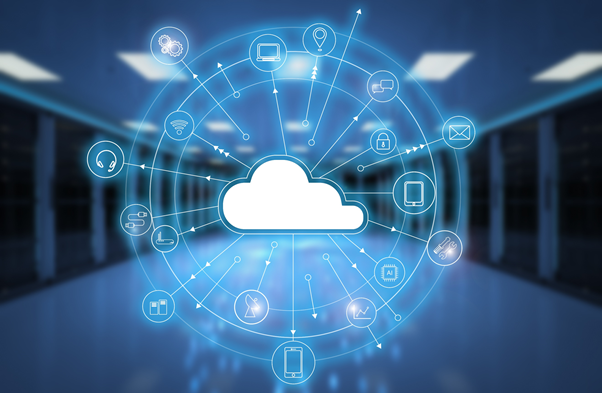
It combines cloud technology, collaboration platforms, communication tools, and workflow automation into one connected ecosystem.
A digital workplace typically includes:
- Cloud-based file sharing
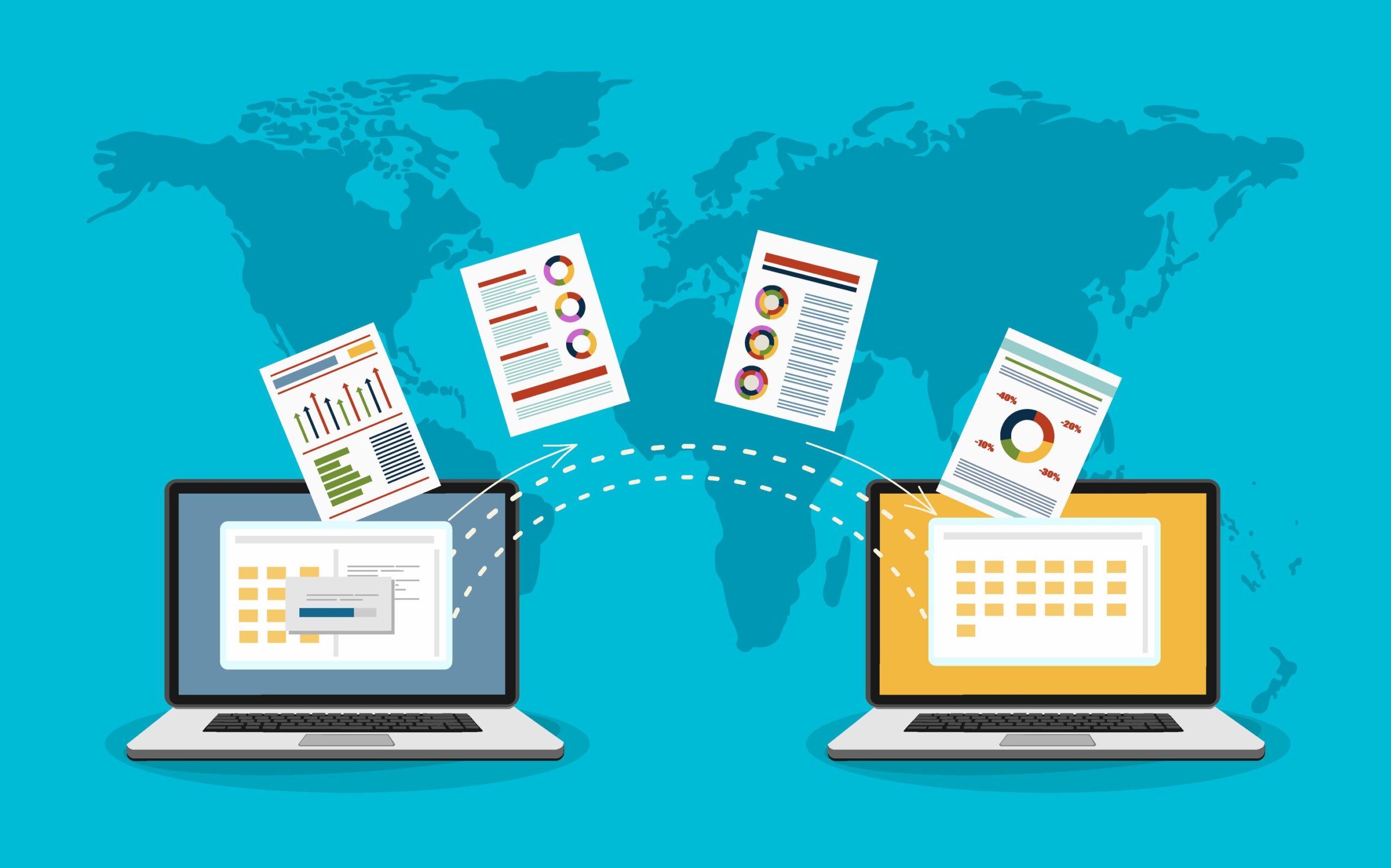
- Team collaboration platforms
- Video conferencing tools
- Employee communication systems
- Workflow automation
- Employee time management software
- Staff collaboration and productivity tools
Platforms like Microsoft Teams, SharePoint, and OneDrive make it easier for employees to stay connected and productive.
Why Businesses Need a Digital Workplace
Modern employees expect flexibility, faster communication, and secure access to information from anywhere. Traditional workplace systems often create communication gaps, delays in decision-making, disconnected workflows, and challenges in managing remote teams efficiently.
A modern digital workplace helps businesses create a connected work environment where employees can collaborate, communicate, and access business resources in real time. It enables organizations to improve operational efficiency while supporting hybrid and remote work models.
A digital workplace helps businesses:
- Improve employee productivity
- Enable hybrid and remote work
- Increase collaboration across teams
- Reduce communication delays
- Centralize organizational knowledge
- Improve employee engagement
- Streamline task management
- Enhance business continuity
- Improve workflow automation
- Support secure file sharing and cloud access
- Simplify project management and team coordination
Organizations using Microsoft Office 365 apps can unify communication, meetings, file storage, document collaboration, and project management within a single platform. Tools like Microsoft Teams, SharePoint, and OneDrive help employees work more efficiently while ensuring business data remains secure and accessible.
With solutions such as Microsoft Office 365, micro office 365, and Microsoft 365 Business Standard, businesses can create a scalable and future-ready workplace that improves collaboration, supports employee productivity, and adapts to changing business needs.
How Microsoft 365 Supports a Digital Workplace
Microsoft 365 provides a complete suite of productivity, communication, and collaboration tools designed for modern businesses. It helps organizations create a secure and connected digital workplace where employees can work efficiently from anywhere.
Businesses using Microsoft 365 Business Standard gain access to:
- Business email and calendars
- Cloud file storage
- Team collaboration tools
- Video conferencing
- Document sharing
- Task management
- Security and compliance features
- Workflow automation tools
- Real-time communication platforms
- Remote work and hybrid work support
With microsoft office 365 and 365 office 365, businesses can centralize communication, files, meetings, and workflows into a single cloud-based environment. This improves collaboration, reduces operational delays, and helps employees stay productive across departments and locations.
Core applications include:
- Microsoft Teams
- SharePoint
- Microsoft Planner
- Exchange Online
- OneDrive
- Yammer
These Microsoft Office 365 apps work together to create a centralized digital workplace experience that supports communication, collaboration, file management, and employee productivity.
For example:
- Microsoft Teams enables instant messaging, online meetings, and team collaboration.
- SharePoint helps businesses manage documents, intranet portals, and organizational knowledge.
- OneDrive allows secure cloud file storage and file sharing from any device.
- Microsoft Planner helps teams organize projects, assign tasks, and track progress efficiently.
By integrating communication, collaboration, and productivity tools into one platform, Microsoft 365 solutions help businesses improve employee engagement, support remote work, and build a scalable, modern workplace environment.
What Are the Benefits of a Digital Workplace?
A digital workplace is a modern work environment that combines communication, collaboration, cloud storage, workflow automation, and productivity tools into a single connected platform. It enables employees to work securely from anywhere while improving efficiency, engagement, and business performance.
Using solutions like Microsoft 365, businesses can streamline operations, support hybrid work, and create a more productive employee experience.
Key Benefits of a Digital Workplace
1. Improved Employee Productivity
One of the biggest advantages of a digital workplace is increased employee productivity. Employees can quickly access files, collaborate in real time, manage tasks efficiently, and reduce time spent on repetitive manual work.
With Microsoft Office 365 apps like Microsoft Teams and Microsoft Planner, teams can communicate faster, organize projects better, and improve workflow efficiency across departments.
2. Support for Hybrid and Remote Work
Modern employees expect flexibility and remote work capabilities. A digital workplace enables employees to securely work from home, office locations, or while traveling without disrupting productivity.
Cloud-based solutions such as 365 office 365, Micro Office 365, and OneDrive provide secure access to files, applications, and business data from any device.
This flexibility improves:
- Work-life balance
- Employee satisfaction
- Business continuity
- Team responsiveness
3. Better Collaboration Across Teams
A digital workplace improves collaboration by connecting employees through real-time communication and shared workspaces.
Tools like SharePoint and Microsoft Teams help teams:
- Share documents securely
- Collaborate on files simultaneously
- Conduct virtual meetings
- Manage projects efficiently
- Communicate instantly across locations
This reduces communication silos and accelerates decision-making.
4. Centralized Access to Information
Businesses often struggle with scattered files and disconnected systems. A digital workplace centralizes organizational knowledge into one accessible platform.
Employees can easily access:
- Business documents
- Policies and procedures
- Training resources
- Project files
- Team communications
This improves operational efficiency and reduces time spent searching for information.
5. Reduced Operational Costs
A digital workplace helps organizations reduce infrastructure and operational expenses by supporting cloud-based operations and remote work environments.
Businesses can lower costs related to:
- Physical office space
- Hardware maintenance
- Paper-based workflows
- Travel expenses
- On-premise infrastructure
Solutions like Microsoft 365 Business Standard allow businesses to scale operations without large infrastructure investments.
6. Enhanced Communication
Fast communication is critical for modern businesses. A digital workplace improves communication through instant messaging, video conferencing, and integrated collaboration platforms.
Using Microsoft Teams, employees can:
- Host online meetings
- Share updates instantly
- Collaborate in channels
- Communicate across departments
- Stay connected in real time
This creates a more responsive and collaborative work culture.
7. Stronger Data Security and Compliance
Modern digital workplace platforms include advanced security and compliance capabilities to protect business data.
With Microsoft 365, organizations benefit from:
- Multi-factor authentication
- Data encryption
- Secure cloud storage
- Identity management
- Compliance controls
- Threat protection
This helps businesses maintain security while supporting remote access and cloud collaboration.
8. Improved Employee Engagement
Employees are more engaged when they have access to flexible work options and efficient collaboration tools.
A digital workplace supports engagement by:
- Encouraging teamwork
- Simplifying communication
- Reducing workplace friction
- Supporting flexible schedules
- Improving employee experiences
Engaged employees are more productive, collaborative, and motivated to contribute to business success.
9. Smarter Workflow Automation
Automation helps businesses eliminate repetitive manual tasks and improve operational efficiency.
Digital workplace platforms can automate:
- Task approvals
- Notifications
- Document workflows
- Employee onboarding
- Reporting processes
This allows employees to focus more on strategic and high-value work.
10. Better Talent Attraction and Retention
Modern professionals prefer organizations that offer flexibility, collaboration tools, and digital-first work environments.
Businesses with a strong digital workplace strategy can:
- Attract skilled talent
- Improve employee retention
- Support flexible work arrangements
- Create a modern employee experience
A digitally connected workplace also strengthens company culture and employee satisfaction.
Why Microsoft 365 Is Important for a Digital Workplace
Microsoft 365 combines communication, collaboration, security, cloud storage, and productivity tools into a single ecosystem.
Businesses using Microsoft Office 365, Microsoft 365, and Microsoft 365 Business Standard can create a scalable and secure digital workplace that supports both business growth and employee productivity.
Core tools include:
- Microsoft Teams
- SharePoint
- OneDrive
- Exchange Online
- Microsoft Planner
Together, these tools help businesses create a connected, collaborative, and future-ready workplace.
Employee Time Management and Tracking in a Digital Workplace
Modern businesses also use digital workplace platforms alongside:
- employee time management software
- employee hour tracking software
- staff time tracking software
- software employee time tracking solutions
These tools help organizations:
- Monitor productivity
- Track project hours
- Improve workforce planning
- Reduce administrative work
- Optimize employee schedules
When integrated with Microsoft Office 365 apps, businesses can create a more organized and transparent work environment.
How Digital Workplace Technology Improves Employee Engagement
Employee engagement is closely connected to productivity.
A digital workplace improves engagement by:
- Giving employees flexibility
- Simplifying communication
- Supporting collaboration
- Reducing repetitive tasks
- Encouraging knowledge sharing
Employees feel more connected when they have access to the right tools and information needed to perform their work efficiently.
A modern digital workplace is a cloud-based ecosystem that connects employees, communication platforms, business applications, workflows, and organizational data into one connected environment. It helps organizations improve employee productivity, collaboration, security, and operational efficiency while supporting hybrid and remote work models.
Using solutions like Microsoft 365 and modern Microsoft Office 365 apps, businesses can create a flexible and secure workplace experience that allows employees to work efficiently from anywhere.
Essential Features of a Modern Digital Workplace
1. AI-Powered Automation and Smart Productivity
Artificial Intelligence (AI) is becoming a key part of the modern digital workplace. AI-powered tools help businesses automate repetitive tasks, improve workflows, and increase employee efficiency.
Key AI capabilities include:
- AI-generated meeting summaries – Automatically capture meeting discussions, action items, and decisions to save employee time.
- Automated workflows and approvals – Reduce manual processes by automating repetitive business operations and approvals.
- Intelligent enterprise search – Help employees quickly find files, emails, and information across connected systems.
- Smart scheduling and productivity insights – Improve time management and meeting planning using AI-driven recommendations.
AI integrated within Microsoft Office 365 helps employees focus more on strategic and high-value work instead of routine administrative tasks.
2. Unified Communication and Collaboration
A digital workplace should provide seamless communication and collaboration tools that allow employees to stay connected across departments and locations.
Platforms like Microsoft Teams enable:
- Instant messaging and team chats – Employees can communicate quickly without relying heavily on emails.
- Video conferencing and virtual meetings – Teams can collaborate remotely through online meetings and webinars.
- Real-time document collaboration – Multiple users can work on the same document simultaneously.
- Shared workspaces and project channels – Teams can organize conversations, files, and tasks in one place.
Unified collaboration tools improve teamwork, reduce communication delays, and support hybrid work environments.
3. Centralized Knowledge Management and Intranet
Employees need quick and secure access to company information, documents, and internal resources. A modern digital workplace should centralize organizational knowledge into one accessible platform.
Using SharePoint, businesses can create:
- Company intranet portals – A centralized hub for company news, updates, and resources.
- Document management systems – Organize and securely manage business files and records.
- Knowledge-sharing platforms – Allow employees to access training materials, policies, and best practices.
- Enterprise-wide search functionality – Help employees quickly locate relevant information and documents.
Centralized knowledge management improves productivity and reduces time spent searching for information.
4. Cloud Accessibility and Remote Work Support
Cloud accessibility is one of the most important features of a modern digital workplace. Employees should be able to securely access business tools and files from any device and location.
Solutions such as 365 Office 365, micro office 365, and OneDrive provide:
- Secure remote access – Employees can work from home or while traveling without compromising security.
- Cloud storage and file sharing – Files can be stored, shared, and accessed securely in the cloud.
- Cross-device synchronization – Employees can continue work seamlessly across desktops, laptops, tablets, and smartphones.
- Mobile workplace accessibility – Business applications remain accessible on mobile devices for greater flexibility.
This flexibility supports hybrid work models and improves employee productivity.
5. Workflow Management and Task Tracking
A digital workplace should simplify project management and daily operations through workflow automation and task management tools.
Businesses can improve operational efficiency using:
- Employee time management software – Helps employees organize schedules and improve productivity.
- Employee hour tracking software – Tracks employee work hours and project time usage accurately.
- Staff time tracking software – Improves workforce planning and attendance management.
- Automated task management tools – Assign tasks, monitor progress, and send reminders automatically.
Platforms like Microsoft Planner help teams stay organized and improve accountability across projects.
6. Security, Governance, and Compliance
Security is critical in a digital workplace, especially when employees access company data remotely.
Modern workplace platforms should include:
- Multi-Factor Authentication (MFA) – Adds an additional security layer during login processes.
- Single Sign-On (SSO) – Allows employees to securely access multiple applications using one login.
- Endpoint and device management – Helps IT teams monitor and secure employee devices.
- Data encryption and compliance controls – Protects sensitive business data and ensures regulatory compliance.
Microsoft 365 provides enterprise-grade security features that help organizations protect business information across locations and devices.
7. Integrated Business Applications
A modern digital workplace should connect all essential business systems into one centralized ecosystem.
Integrated workplace platforms can connect with:
- CRM systems – Manage customer relationships and sales processes more efficiently.
- HR management platforms – Streamline employee onboarding, payroll, and HR operations.
- Project management tools – Improve project planning and collaboration.
- Business analytics software – Generate insights for better decision-making.
Integrated applications eliminate disconnected workflows and improve operational efficiency.
8. Employee Engagement and Digital Experience
Employee engagement is essential for maintaining productivity and improving workplace satisfaction.
A successful digital workplace should support:
- Personalized employee dashboards – Display relevant tasks, updates, and announcements in one place.
- Internal communication portals – Improve company-wide communication and transparency.
- Employee feedback and survey tools – Help organizations gather employee insights and improve experiences.
- Recognition and engagement programs – Encourage employee participation and motivation.
Tools like Yammer help organizations create a connected and collaborative workplace culture.
9. Analytics and Workplace Insights
Modern digital workplaces should provide analytics that help organizations monitor productivity and optimize workflows.
Analytics tools can provide:
- Employee productivity insights – Measure collaboration and task completion trends.
- Workflow performance tracking – Identify operational bottlenecks and inefficiencies.
- Collaboration analytics – Understand how teams communicate and work together.
- Employee engagement metrics – Measure workplace satisfaction and participation levels.
These insights help businesses continuously improve operational efficiency and employee experiences.
Organizations investing in modern digital workplace technologies gain benefits such as improved employee productivity, better collaboration, stronger security, enhanced employee engagement, and reduced operational costs.
With solutions like Microsoft 365 Business Standard, Microsoft Office 365, and advanced workplace collaboration tools, businesses can create a scalable, secure, and future-ready digital workplace that supports long-term business growth.
Digital Workplace vs Traditional Workplace
| Traditional Workplace | Digital Workplace |
| Office-only access | Anywhere access |
| Manual collaboration | Real-time collaboration |
| Limited flexibility | Hybrid work support |
| Disconnected systems | Integrated platforms |
| Slow communication | Instant communication |
| Local file storage | Cloud-based storage |
Best Microsoft 365 Tools for a Digital Workplace
Microsoft Teams
Best for communication, meetings, and collaboration.
SharePoint
Best for document management and internal portals.
OneDrive
Best for secure cloud storage and file sharing.
Microsoft Planner
Best for task and project management.
Exchange Online
Best for business email and scheduling. Together, these Microsoft Office 365 apps create a connected and productive workplace ecosystem.
Common Challenges Businesses Face Without a Digital Workplace
Organizations without a digital workplace often experience:
- Communication gaps
- Reduced employee engagement
- Difficulty managing remote teams
- Slow approval processes
- Scattered information
- Lower operational efficiency
Adopting Microsoft 365 solutions helps businesses modernize workflows and improve overall productivity.
Future of the Digital Workplace
The future workplace will continue to evolve with:
- AI-powered collaboration
- Workflow automation
- Cloud-first infrastructure
- Hybrid work models
- Smart productivity analytics
Businesses investing in modern workplace technologies today will be better prepared for future operational demands.
Key Takeaways
- A digital workplace improves employee productivity and collaboration.
- Microsoft 365 helps businesses support remote and hybrid work environments.
- Tools like Microsoft Teams and SharePoint streamline communication and document sharing.
- Employee time management software and staff time tracking software improve workforce efficiency.
- Businesses using Microsoft 365 Business Standard gain access to integrated productivity and collaboration tools.
Conclusion
A modern digital workplace is no longer optional for growing businesses. It helps organizations improve collaboration, streamline communication, support hybrid work, and increase employee productivity.
Solutions such as Microsoft Office 365 and Microsoft 365 Business Standard provide businesses with the tools needed to create a secure, connected, and efficient work environment.
By combining collaboration platforms, cloud accessibility, workflow automation, and employee productivity tools, businesses can create a workplace that supports both organizational growth and employee success.
FAQs
-
What is a digital workplace?
A digital workplace is a cloud-based work environment that enables employees to communicate, collaborate, and access business tools digitally from any location.
-
How does Microsoft 365 support a digital workplace?
Microsoft 365 provides collaboration, communication, cloud storage, and productivity tools that help businesses create a connected workplace environment.
-
What are the benefits of a digital workplace?
Key benefits include:
Better collaboration
Improved employee productivity
Remote work support
Faster communication
Centralized knowledge sharing -
Which Microsoft Office 365 apps improve collaboration?
Apps like Microsoft Teams, SharePoint, OneDrive, and Microsoft Planner improve collaboration and workflow management.
-
How can employee time management software improve productivity?
Employee time management software helps businesses track work hours, monitor productivity, improve scheduling, and streamline workforce management processes.
Contact TrnDigital today to build a smarter digital workplace with Microsoft 365 solutions that improve collaboration, productivity, and business efficiency.