
Webster Conservation Area: A Quiet Woodland Preserve with Untouched Character
Webster Conservation Area offers a peaceful, low-profile outdoor experience defined by wooded trails, natural wetlands, and a sense of calm that feels increasingly rare. Unlike more developed parks, this conservation area remains intentionally understated, inviting visitors to slow down and experience nature as it is rather than how it is curated. It is a place shaped by restraint, where quiet paths and native landscapes take center stage.
For people navigating busy schedules and mentally demanding workdays, including those working in offices supported by a trusted IT Company, Webster Conservation Area provides a simple but meaningful opportunity to disconnect, walk, and reset in a truly natural setting.
A Landscape Preserved, Not Polished
Webster Conservation Area is defined by its natural restraint. The land has been protected to preserve its ecological value rather than redesigned for recreation. As a result, the area feels authentic and grounded, with wooded sections, wetlands, and gently uneven terrain that reflect the land’s original form.
This approach creates an environment that feels calm and immersive, especially for visitors who appreciate natural spaces that remain largely untouched.
The Purpose Behind Webster Conservation Area
The conservation area was established to protect sensitive ecosystems and maintain open land amid surrounding development. Wetlands, native plant species, and wildlife habitats were prioritized, shaping how the land could be accessed and enjoyed.
Rather than encouraging heavy foot traffic or large gatherings, Webster Conservation Area supports quiet use. This intentional focus helps preserve biodiversity while still allowing public access for walking and observation.
Trails That Encourage Awareness
Natural Paths Through Woodland
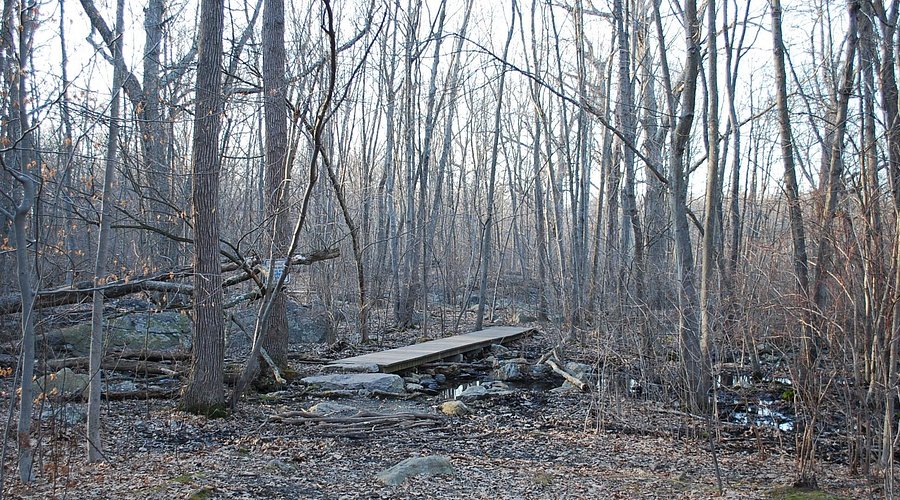
The trails at Webster Conservation Area are informal and lightly maintained, following the natural contours of the land. They wind through wooded sections and alongside wetland areas, creating a sense of exploration rather than direction.
Visitors should expect:
- Dirt paths with uneven footing
- Narrow sections through trees
- Occasional muddy areas after rain
- Minimal signage or trail markings
Because of this, the experience feels more personal and reflective than structured.
Subtle Views That Reward Attention
Rather than dramatic viewpoints, Webster Conservation Area offers subtle moments. Openings in the trees reveal wetlands, filtered light, and shifting textures of leaves and water. These quiet scenes often go unnoticed unless you slow your pace and look closely.
The reward here is not spectacle, but stillness.
Wildlife and Ecological Importance
Webster Conservation Area plays an important role in supporting local ecosystems. Wetlands help manage water flow and provide habitat for a range of species, while wooded areas offer shelter and nesting space.
Common observations include:
- Birds moving through tree canopies
- Frogs and amphibians near wet areas
- Insects supporting pollination
- Native plants thriving without interference
Because of the area’s sensitivity, visitors are encouraged to observe rather than interact.
Best Times to Visit
The conservation area is most peaceful during early mornings and weekdays, when foot traffic is minimal. Spring and summer bring the most visible plant and animal activity, while fall highlights the natural textures of the forest floor. Winter strips the landscape down to its essentials, revealing the shape and structure of the land.
Each season reinforces the area’s quiet, grounded nature.
Respecting a Sensitive Environment
Webster Conservation Area depends on thoughtful use. Its continued health relies on visitors respecting boundaries and minimizing impact.
Visitors are encouraged to:
Stay on established paths
Avoid disturbing wildlife or plants
Carry out all trash
Keep dogs leashed where required
These practices help preserve the conservation area’s purpose.
Why Webster Conservation Area Feels Different
What makes Webster Conservation Area stand out is its humility. It does not try to entertain or impress. Instead, it offers space for reflection, observation, and unstructured movement through nature.
For many visitors, this makes the area feel restorative in a deeper way. It asks very little, yet gives a strong sense of calm and perspective.
Access and Entry Considerations
Access points to Webster Conservation Area are modest and blend into surrounding streets and paths. There are no grand entrances or parking lots. Instead, entry feels informal and quiet, matching the tone of the land itself.
Visitors should plan ahead and wear appropriate footwear, especially after rain.
A Place That Stays Intentionally Quiet
Webster Conservation Area exists to remain natural, not busy. Its value lies in what has been left unchanged. For those seeking a peaceful walk, a moment of stillness, or a reminder of how land once looked before development, it offers a rare and grounding experience.
Frequently Asked Questions About Webster Conservation Area
Yes, though visitors should be comfortable with uneven, natural trails rather than paved paths.
Yes. Wetlands are a key feature and play an important ecological role.
Dogs are generally allowed but should be leashed to protect wildlife and sensitive habitats.
No. It is typically quiet and lightly used, especially compared to larger parks.
Let’s Talk IT in Newton
Learn more about how Outsourced IT Services resolve IT issues for Your Business in Newton
Driving/Walking Directions From the Outsourced IT Services in Newton | TrnDigital to Webster Conservation Area
Driving directions to Edmands Park