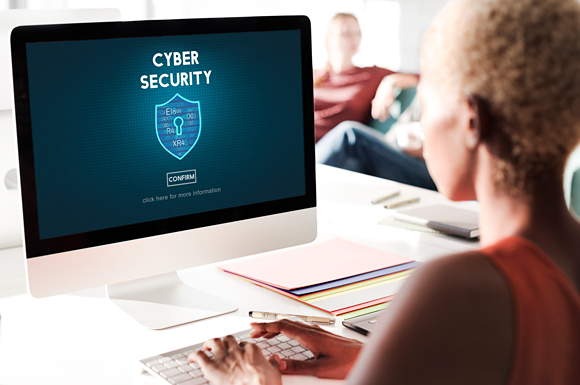
Small and medium-sized businesses are increasingly becoming targets for cyberattacks. Unlike large enterprises, many SMBs operate with lean IT teams, limited security resources, and growing reliance on cloud applications, remote work, and third-party platforms. This combination can create security gaps that attackers can exploit.
A cybersecurity strategy for an SMB needs to protect more than just computers and networks. It should cover endpoints, identities, email, cloud applications, business data, devices, and users while providing continuous visibility into potential threats.
At TrnDigital, our cybersecurity approach helps SMBs strengthen their security posture with proactive monitoring, risk management, threat detection, and security controls designed around their business environment.
Why Cybersecurity Matters for Small and Medium-Sized Businesses
Cybercriminals increasingly target SMBs because they can provide valuable access to financial information, customer data, employee credentials, intellectual property, and business systems often without the security infrastructure of a large enterprise.
Common threats facing SMBs include:
Ransomware attacks that can encrypt critical business systems and disrupt operations.
Phishing and business email compromise targeting employees and financial processes.
Credential theft that allows attackers to access cloud applications and sensitive information.
Malware and endpoint attacks affecting employee computers and business devices.
Cloud security risks caused by misconfigured applications, excessive permissions, or unmanaged access.
Insider and third-party risks involving employees, vendors, contractors, and connected systems.
For an SMB, even a relatively small security incident can result in operational downtime, financial losses, reputational damage, and significant recovery costs.
Many SMBs don’t have dedicated cybersecurity specialists monitoring their environment around the clock. IT teams may already be responsible for infrastructure, applications, user support, cloud services, and daily operations.
This can make it difficult to continuously identify and respond to emerging threats.
02
Increasing Cloud and SaaS Usage
Applications such as Microsoft 365, cloud storage, collaboration platforms, and business applications have become essential to everyday operations. While cloud services provide flexibility and scalability, they also introduce additional identities, access points, permissions, and data flows that need to be secured.
03
Remote and Hybrid Work
Employees accessing business systems from different locations and devices expand the organization’s attack surface. Strong identity controls, endpoint security, secure access, and continuous monitoring become increasingly important.
04
Compliance and Data Protection
Depending on the industry, SMBs may need to protect customer information, financial records, healthcare data, intellectual property, or other sensitive information. Security controls should therefore support both operational protection and applicable compliance requirements.
Cybersecurity Challenges SMBs Commonly Face
01
Limited Internal Security Resources
Many SMBs don’t have dedicated cybersecurity specialists monitoring their environment around the clock. IT teams may already be responsible for infrastructure, applications, user support, cloud services, and daily operations.
This can make it difficult to continuously identify and respond to emerging threats.
02
Increasing Cloud and SaaS Usage
Applications such as Microsoft 365, cloud storage, collaboration platforms, and business applications have become essential to everyday operations. While cloud services provide flexibility and scalability, they also introduce additional identities, access points, permissions, and data flows that need to be secured.
03
Remote and Hybrid Work
Employees accessing business systems from different locations and devices expand the organization’s attack surface. Strong identity controls, endpoint security, secure access, and continuous monitoring become increasingly important.
04
Compliance and Data Protection
Depending on the industry, SMBs may need to protect customer information, financial records, healthcare data, intellectual property, or other sensitive information. Security controls should therefore support both operational protection and applicable compliance requirements.
Managed Cybersecurity Services for SMBs
Building an enterprise-level security operation internally can be expensive and difficult for a growing business. Managed cybersecurity services provide SMBs with access to ongoing security capabilities without requiring a large internal security team.
A managed approach can include:
24/7 Security Monitoring
Continuous monitoring helps identify suspicious activity, unusual login behavior, endpoint threats, and other indicators of compromise before they become larger incidents.
Endpoint Detection and Response
Employee devices are common entry points for attackers. Endpoint detection and response helps identify malicious behavior, investigate suspicious activity, and support rapid response when threats are detected.
Identity and Access Security
Compromised credentials can provide attackers with direct access to business systems. Strong authentication, access controls, Conditional Access, and least-privilege principles can help reduce unauthorized access.
Security Assessments
Regular assessments help identify vulnerabilities, configuration issues, outdated systems, excessive permissions, and other weaknesses that could increase cyber risk.
Email and Phishing Protection
Because phishing remains a common attack method, SMBs need controls that protect employees from malicious links, attachments, impersonation attempts, and compromised accounts.
Incident Response
When a security incident occurs, having a defined response process is critical. Incident response helps organizations contain threats, understand their impact, restore operations, and reduce the likelihood of recurrence.
Ready To Strengthen Your Cybersecurity Strategy?
Your business deserves more than basic protection. TrnDigital delivers structured Cybersecurity Services that reduce exposure, improve compliance readiness, and provide clear executive visibility into risk.
Cybersecurity for Microsoft 365 SMB Environments
For organizations using Microsoft 365, cybersecurity should extend across the entire Microsoft environment.
Security considerations can include:
Microsoft Entra identity and access controls
Microsoft Defender security capabilities
Microsoft Purview data protection and governance
Multi-factor authentication
Conditional Access
Endpoint protection
Email security
Data loss prevention
Security monitoring and threat detection
Microsoft Support Services Designation
TrnDigital Recently Received the
Microsoft Support Services Designation
Awarded to only a handful of partners globally after 3 highly rigorous, independent five step vetting process – a public customer validated signal of operational excellence.
A Proactive Approach to SMB Cybersecurity
Waiting for an incident to reveal security weaknesses can be costly.
A proactive cybersecurity strategy starts by understanding the organization’s current risk profile and then continuously improving its defenses.
A typical approach can include:
Assess
Identify
Protect
Monitor
Respond
Improve
This allows SMBs to move away from reactive IT support and toward continuous risk management.
For example, an organization may discover during an assessment that several employees have excessive permissions, certain devices aren’t adequately protected, or security alerts aren’t being monitored consistently. Addressing these issues before an attacker exploits them can significantly strengthen the organization’s overall security posture.
Enterprise-Grade Protection Without Enterprise-Level Overhead
SMBs don’t necessarily need to replicate the entire security operation of a large enterprise. They need the right security capabilities for their risk profile, technology environment, regulatory requirements, and business priorities.
Managed cybersecurity can provide access to specialized expertise, monitoring, security technologies, and structured processes without requiring an SMB to build a large internal security organization from the ground up.
At TrnDigital, we help businesses assess their cybersecurity environment, identify vulnerabilities, strengthen security controls, and establish a more proactive approach to protecting their operations.
Tech Ecosystem
We collaborate with renowned technology companies to give your company access to first-rate services, round-the-clock assistance, and cutting-edge equipment.
Build a Stronger Cybersecurity Foundation with TrnDigital
Cybersecurity is no longer something SMBs can treat as an occasional IT task. As businesses become increasingly dependent on cloud applications, digital workflows, remote access, and connected systems, security needs to become part of the foundation supporting everyday operations.
The goal isn’t simply to prevent the next cyberattack. It’s to build an environment that can identify risks earlier, respond faster, protect critical data, and maintain business continuity.
With the right cybersecurity strategy and ongoing management, SMBs can strengthen their defenses while continuing to grow without allowing security complexity to become a barrier to innovation.
TrnDigital helps SMBs build practical, scalable cybersecurity strategies designed to protect users, devices, data, and business operations—without the overhead of building a large internal security team.
Ready to Transform Your Healthcare Operations with Power Platform?
Your organization deserves more than manual processes and disconnected systems. TRN Digital delivers structured Power Platform healthcare solutions that automate workflows, improve patient care, and provide real-time visibility into operations.
Resources and Insights
Explore practical guidance, insights, and updates to help you make informed IT decisions